


Why Is Your Basement Flooding? The Causes Every Homeowner Should Know Before It’s Too Late
- Luis Quintero
- Sep 28, 2025
- 5 min read
Updated: Sep 29, 2025
It starts small.
Maybe you notice a damp smell when you head downstairs. A little water near the wall after heavy rain. A soft spot on the floor that wasn’t there last month.
It’s easy to brush off, "It's just a little moisture," you tell yourself.
But what if it isn’t?
Basement flooding doesn’t always announce itself with a dramatic wave of water. Sometimes, it creeps in silently — behind your walls, under your floors, and through the tiniest cracks in your foundation. And by the time you see the damage, it’s already done.
Whether you’re a first-time homeowner or you’ve been in your house for 20 years, understanding what’s happening beneath your feet can save you thousands.
In this guide, we’ll walk through the most common (and often misunderstood) causes of basement flooding and what you can do today to protect your home, your health, and your peace of mind.
Quick Overview: The Top 7 Basement Flooding Causes
Here’s what we’ll cover and yes, these happen more often than you think:
Poor surface drainage
Foundation cracks and settling
Sump pump failure
Leaking basement windows or doors
Plumbing leaks and burst pipes
Sewer backups
Hydrostatic pressure
Each of these can lead to serious foundation water problems, recurring leaks, and long-term structural damage if not handled properly.
1. Poor Drainage Around the Home
When water from rain or snow can’t drain away from your home, it builds up around your foundation. Over time, this moisture seeps into basement walls or floors.
This is one of the most overlooked basement flooding causes and one of the easiest to prevent basement leaks.
Signs to Watch For:
Pooling water near your foundation after rain
Water stains on basement walls
Damp, musty odors in the basement
What You Can Do:
Slope the soil away from your home (at least 6 inches over 10 feet)
Extend downspouts at least 6 feet from the house
Clean gutters regularly to keep water flowing freely
Install a French drain if the yard constantly floods
2. Foundation Cracks or Settling
As your home settles, tiny cracks can form in the concrete walls or floor of the basement. Water exploits these cracks especially during heavy rain or snowmelt.
This leads to slow leaks that eventually cause basement water damage and even mold growth.
Signs to Watch For:
Visible cracks in foundation walls or floors
Paint or drywall bubbling or peeling
Rust on basement fixtures from moisture
What You Can Do:
Seal small cracks with epoxy or hydraulic cement
Get a slab foundation repair consultation if cracks keep reappearing
Install interior waterproof coatings or a drainage membrane
Cracks aren’t just cosmetic, they’re open doors for water.
3. Sump Pump Failure
The sump pump is your main defense against rising groundwater. But like any appliance, it can fail due to age, clogs, or power outages.
A non-functioning sump pump during a storm = flooded basement.
Signs to Watch For:
Sump pit fills with water, but pump doesn’t activate
Strange noises or vibrations from the unit
No backup power in case of outages
What You Can Do:
Test your sump pump every 3 months
Install a battery-powered backup system
Clean the sump pit and check the discharge line regularly
4. Leaky Basement Windows & Doors
Window wells collect rainwater, and if they aren’t sealed or drained properly, it flows into your basement. The same goes for basement doors that lack waterproof seals.
This is a frequent cause of small but repeated leaks that damage carpets, drywall, and framing.
Signs to Watch For:
Water stains below windows or near walkout doors
Corroded window frames or sill plates
Visible gaps or cracked caulk
What You Can Do:
Clear out window wells; add gravel and a drain if needed
Cover wells with clear acrylic covers
Reseal doors and windows with waterproof caulk
Small leaks add up especially when ignored.
5. Burst Pipes or Plumbing Leaks
Basements often house a home’s water heater, laundry machines, and plumbing lines. A cracked pipe or faulty water heater valve can cause major flooding especially if it goes unnoticed.
In colder states, pipes in unheated basements are also prone to freezing and bursting.
Signs to Watch For:
Puddles near appliances or pipes
Discolored spots on basement ceilings
Sudden drop in water pressure
What You Can Do:
Insulate exposed pipes during winter
Replace old plumbing fixtures before they fail
Have a licensed plumber inspect your basement lines regularly
Want to prevent surprises? Get proactive now before your basement becomes a wading pool.
6. Sewer Backups
During heavy rain, the municipal sewer system can get overwhelmed. If your home isn’t protected with a backwater valve, that nasty mess can end up inside your basement.
Sewer backups don’t just cause basement flooding repair headaches, they create serious health risks.
Signs to Watch For:
Gurgling toilets or slow drains
Foul smells from floor drains
Water or waste backing up into sinks, tubs, or basement drains
What You Can Do:
Never flush wipes or grease down the drain
Install a backwater valve and have it maintained yearly
Contact a crawl space contractor if backups are a recurring issue
7. Hydrostatic Pressure From Saturated Soil
When the ground becomes oversaturated, it creates extreme pressure against your foundation known as hydrostatic pressure. That pressure forces water into cracks, pores, or joints in the concrete.
Even well-built basements can’t withstand this pressure forever.
Signs to Watch For:
Bowing or inward-curved basement walls
Water seeping in through walls or floor joints
White chalky stains (efflorescence)
What You Can Do:
Install an interior drainage system or weeping tile
Apply a waterproof barrier to the basement walls
Call professionals for basement waterproofing in Richmond VA or your local area
Want to learn how soil shifts in extreme weather and affects your home? Don’t miss this helpful read: Why Does the Ground Crack in a Drought?
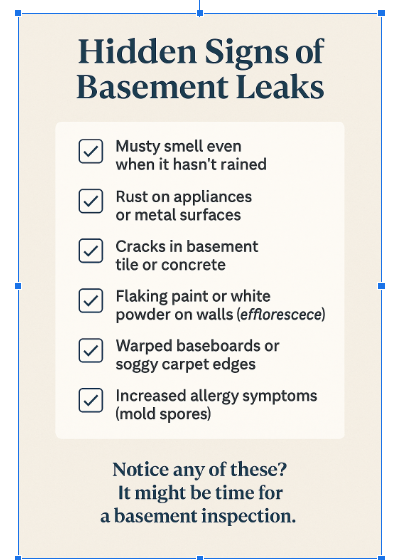
Here’s What Happens If You Ignore Basement Water Damage
Let’s be real. The longer you wait, the worse it gets.
Unchecked basement leaks and foundation water problems can lead to:
Mold and mildew that impact your health
Structural damage that lowers home value
Wood rot, rust, and ruined finishes
High energy bills due to poor insulation
And, most of these are not covered by standard homeowner insurance.
Ready to Fix It for Good?
If you’ve made it this far, here’s what that tells us:
You care about your home. You’re paying attention.You’re not waiting for a big problem to force your hand.
And that’s the smartest move any homeowner can make.
Because when it comes to basement flooding causes, most of them are preventable, if you know what to look for, and what to do next. It’s not about doing everything at once. It’s about taking the first step.
Maybe it’s getting that sump pump checked.Maybe it’s sealing up that window well.Maybe it’s calling a pro for a second opinion before the next big storm hits.
Whatever it is, we’re here to help.
At Virginia Foundation Solutions, we’ve helped homeowners all across the U.S. understand the root causes of basement moisture, prevent long-term damage, and build real solutions that actually last. Whether you need expert advice or hands-on repair, we’ve got your back.
Contact us for a free inspection. Let’s figure it out together.


Comments